Open Frame Rack vs Enclosed Server Rack
Selecting the right server rack is a critical decision for any business planning or upgrading its IT infrastructure. Whether you’re
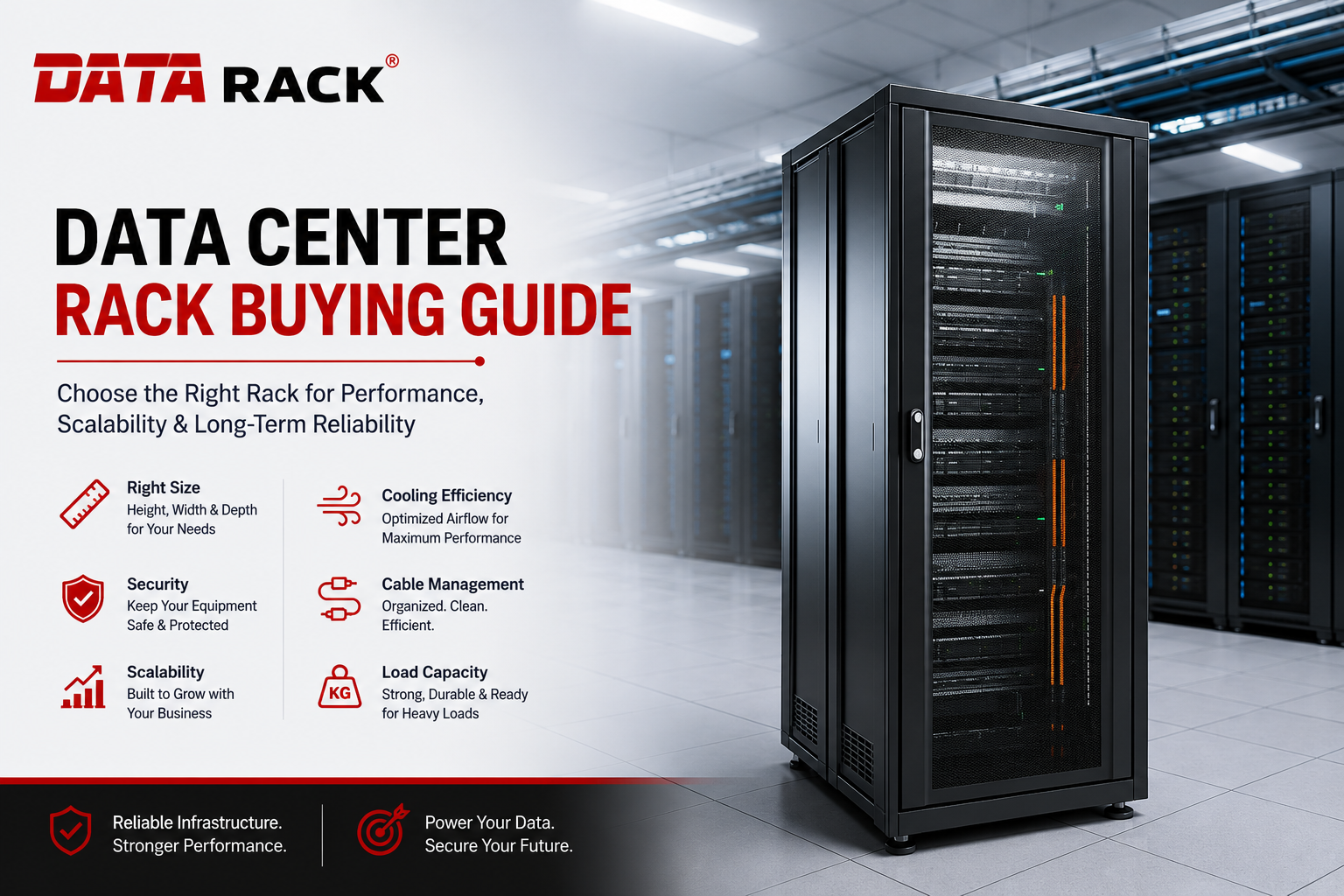
A server rack provides a secure, organized, and scalable framework for housing servers, switches, routers, patch panels, and other networking equipment. Whether you operate a small office network or a large-scale data center, choosing the right server rack is essential for performance, security, and future expansion.
A server rack is a standardized metal enclosure or frame designed to mount and organize IT equipment. It allows multiple devices to be stacked vertically, maximizing floor space while improving accessibility and cable management.
Server racks are commonly used in:
Most server racks follow industry-standard dimensions, making them compatible with equipment from various manufacturers.
Without proper organization, IT equipment can become difficult to manage, maintain, and cool effectively. Server racks provide several benefits:
Server racks utilize vertical space efficiently, allowing businesses to install more equipment within a smaller footprint.
Proper cable routing reduces clutter, simplifies maintenance, and improves airflow around critical equipment.
Enclosed server racks protect valuable hardware from dust, accidental contact, and unauthorized access.
Modern server racks are designed to support airflow management, helping maintain optimal operating temperatures and reducing the risk of equipment failure.
As business requirements grow, additional equipment can be installed within the rack infrastructure without significant changes to the facility layout.
Types of Server Racks
Open Frame Racks
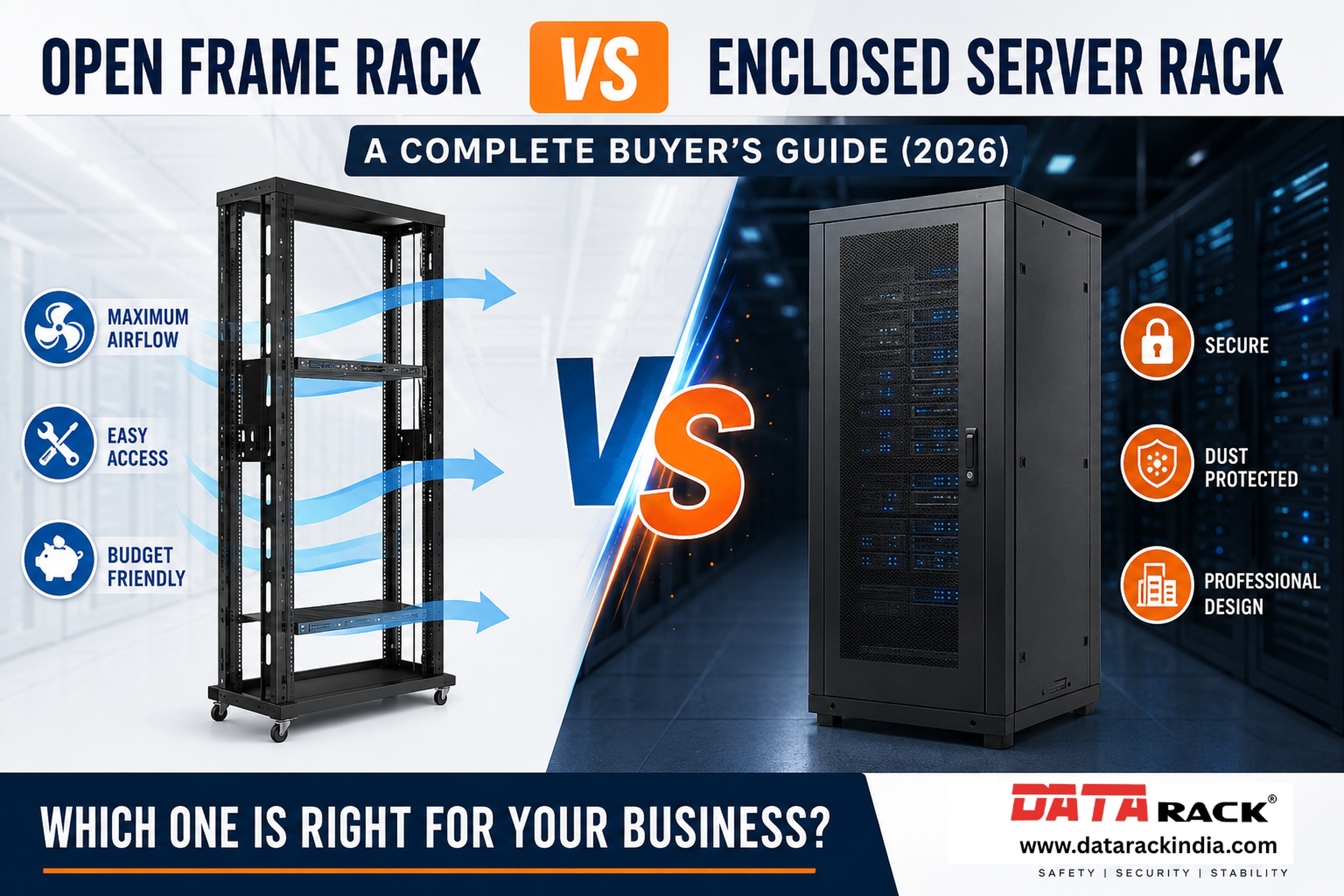
Open frame racks provide easy access to equipment and are ideal for environments where security is not a major concern.
Advantages:
Applications:
Enclosed Server Racks
Enclosed racks feature side panels and lockable doors for added security and protection.
Advantages:
Applications:
Wall-Mount Racks
Wall-mount racks are compact cabinets designed for smaller networking installations.
Advantages:
Applications:
Understanding Rack Sizes
Server racks are measured in Rack Units (U).
One rack unit (1U) equals 1.75 inches (44.45 mm) of vertical space.
Common rack sizes include:
| Rack Size | Typical Use |
| 6U – 12U | Small networking installations |
| 18U – 27U | Medium-sized business networks |
| 42U | Standard enterprise and data center deployments |
| 47U | High-density data center environments |
The 42U server rack is one of the most widely used configurations due to its balance between capacity and manageability.
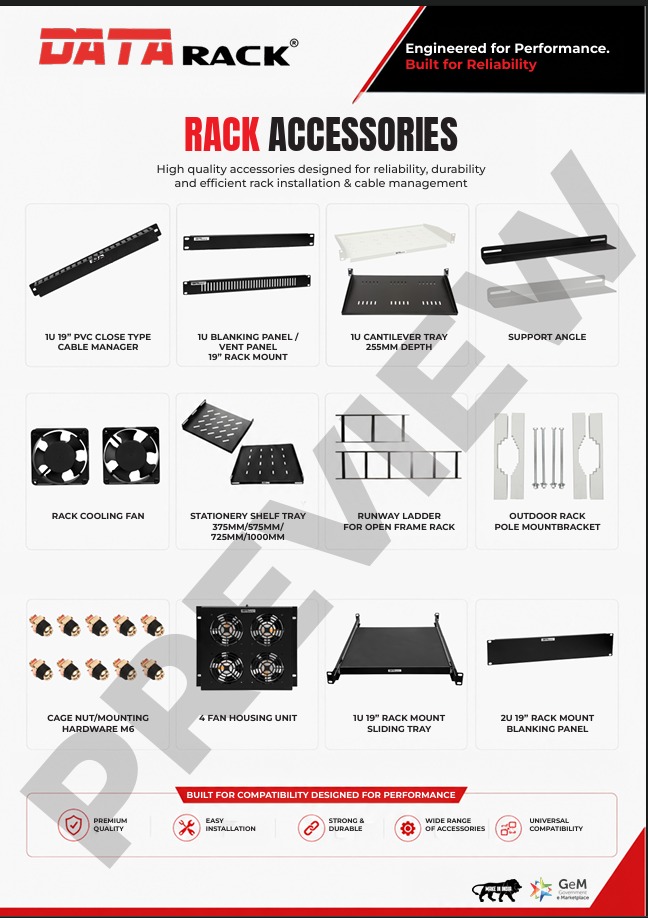
A complete server rack solution may include:
These components work together to improve equipment organization and operational efficiency.
Selecting the right server rack is a critical decision for any business planning or upgrading its IT infrastructure. Whether you’re
Introduction Server rack for AI data center, Artificial Intelligence (AI), machine learning, cloud computing, and edge computing are rapidly transforming
Introduction As organizations continue to expand their IT infrastructure, selecting the right server rack has become a critical decision. A

Introduction of Artificial Intelligence Artificial Intelligence is transforming industries worldwide, from healthcare and finance to manufacturing and e-commerce. As organizations
Introduction In today’s fast-paced digital world, data centers serve as the backbone of modern businesses. While server racks are the
What Is a Server Rack? A Complete Guide for Businesses and Data Centers A server rack provides a secure, organized,