Introduction
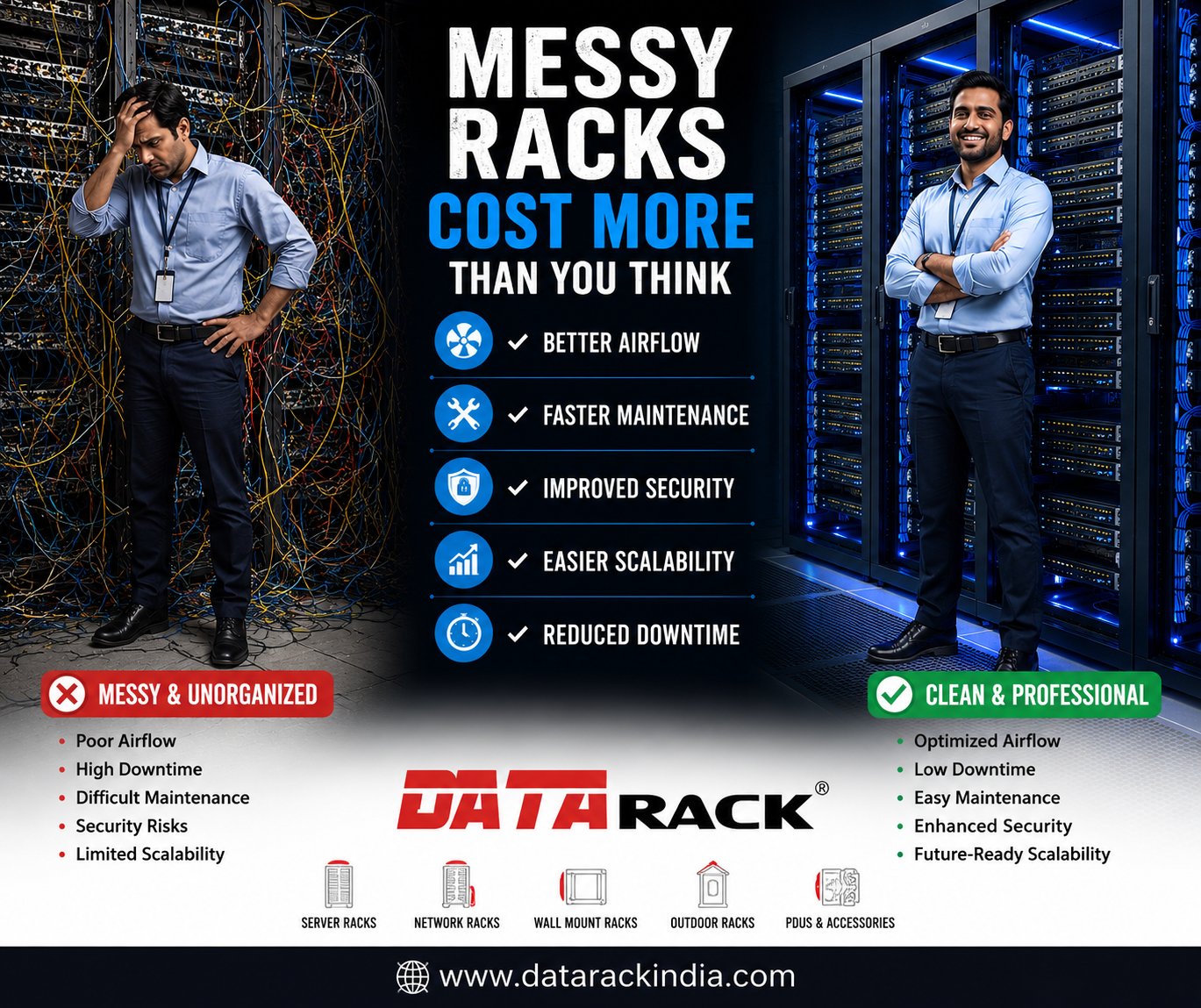
We’ll explore why this is essential in data centers and how businesses can implement industry best practices to optimize their IT infrastructure. Poor Cable Management can lead to airflow restrictions, increased downtime, maintenance challenges, and higher operational costs. On the other hand, a well-organized cabling system improves efficiency, enhances reliability, and supports future scalability.
What is Cable Management?
Cable management refers to the systematic organization, routing, labeling, and securing of network, power, and communication cables within server racks and data center environments.
Proper management ensures that cables are neatly arranged, easily identifiable, and do not interfere with airflow, maintenance activities, or equipment performance.
Whether you operate a small server room or a large-scale enterprise data center, effective management is a key component of infrastructure reliability.
1. Improved Airflow and Cooling Efficiency
One of the most significant benefits of proper cable management is enhanced airflow.
Benefits of Improved Airflow:
- Reduced equipment overheating
- Better cooling performance
- Lower energy consumption
- Extended server lifespan
- Improved rack efficiency
2. Faster Maintenance and Troubleshooting
Imagine an IT technician trying to identify a faulty network cable in a rack filled with tangled wires.
Advantages of Organized Cabling:
- Faster fault identification
- Reduced troubleshooting time
- Easier equipment replacement
- Improved technician productivity
- Simplified network upgrades
3. Reduced Downtime and Business Risk
Downtime can have significant financial consequences for businesses.
How Proper Cable Management Reduces Downtime:
- Minimizes accidental unplugging
- Improves fault isolation
- Speeds up recovery times
- Enhances network reliability
- Reduces human error
4. Enhanced Security and Compliance
Physical infrastructure security is an important aspect of data center operations.
Security Benefits Include:
- Better cable traceability
- Easier compliance audits
- Improved asset management
- Reduced risk of unauthorized modifications
5. Easier Scalability for Future Growth
Business requirements evolve over time. Additional servers, switches, storage systems, and networking equipment often need to be integrated into existing infrastructure.
Benefits for Scalability:
- Simplified equipment additions
- Faster infrastructure upgrades
- Better rack space utilization
- Cleaner deployment planning
Industry Best Practices for Data Center Cable Management
To maximize performance and reliability, organizations should follow these cable management best practices:
Use Vertical and Horizontal Cable Managers
Label Every Cable
Separate Power and Data Cables
Maintain Proper Bend Radius
Use Cable Ties and Velcro Straps
Plan for Future Expansion
Perform Regular Audits
Choosing the Right Rack Infrastructure
Effective cable management starts with selecting the right rack solution. Modern server racks and network cabinets should provide:
- Dedicated cable entry points
- Vertical cable management channels
- Adequate rack depth
- Accessory compatibility
- Airflow optimization
- Secure equipment mounting
Investing in quality rack infrastructure creates a strong foundation for long-term operational efficiency.
Conclusion
Cable management is much more than keeping cables neat and organized. It directly impacts airflow, cooling efficiency, maintenance productivity, security, scalability, and overall business uptime. Organizations that prioritize structured cabling and proper rack design can reduce downtime, lower operating costs, and improve the reliability of their critical IT infrastructure. As data centers continue to grow in complexity, effective cable management remains one of the simplest and most cost-effective ways to enhance performance and support future expansion.