The Importance of Airflow Management in Modern Data Centers
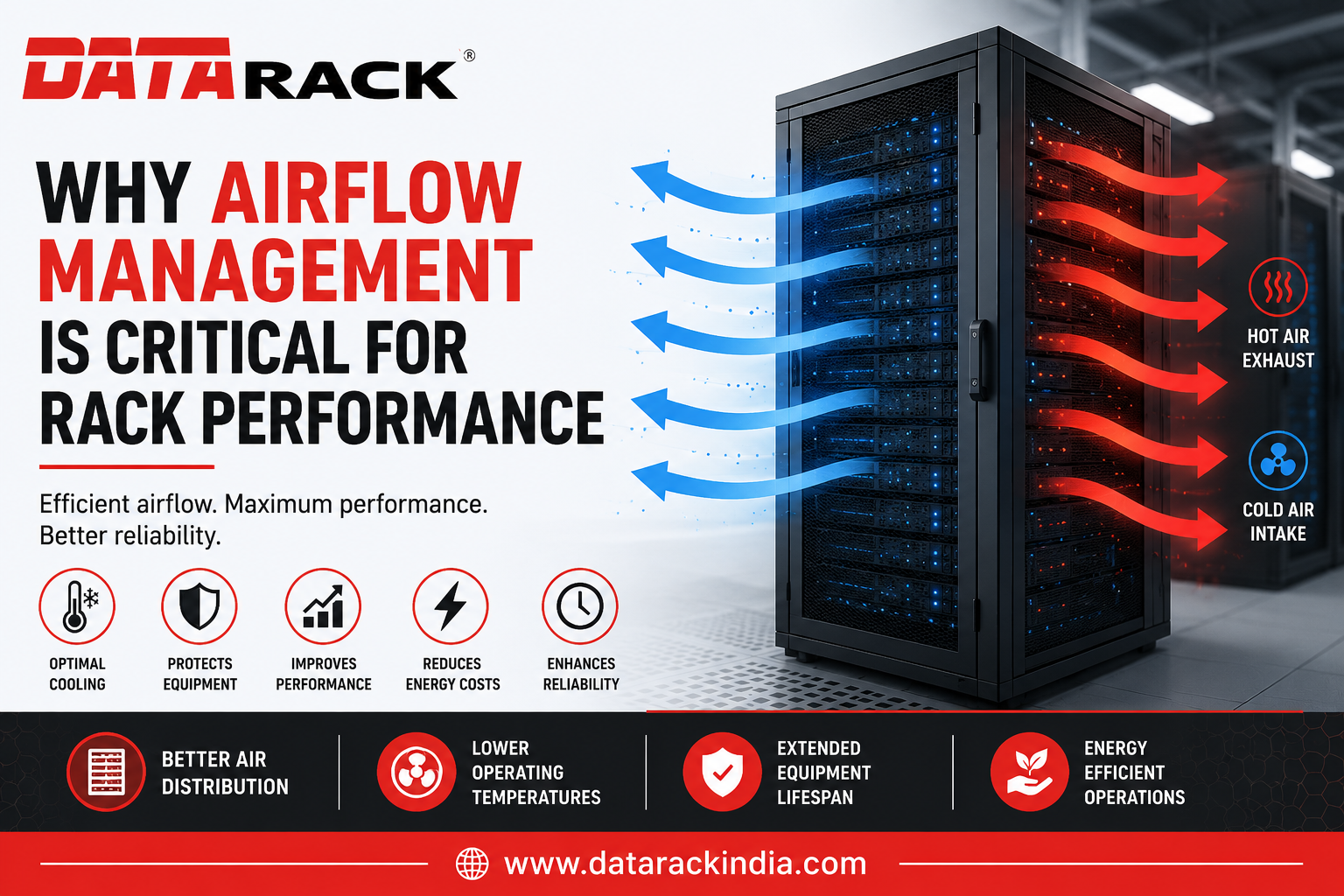
One of the most overlooked aspects of IT infrastructure is airflow management .As businesses continue to rely on digital infrastructure, the demand for efficient and reliable server environments has never been greater. Whether it’s a data center, telecom facility, enterprise server room, or network operation center, maintaining optimal operating temperatures is essential for ensuring equipment performance and longevity. Effective airflow management plays a crucial role in rack cooling, data center cooling, and overall server rack performance.
Without proper ventilation and cooling, organizations risk equipment failures, increased operational costs, and unexpected downtime.
What Is Airflow Management?
Airflow management refers to the strategic control of air movement within server racks and data center environments. Its primary objective is to ensure that cool air reaches IT equipment efficiently while hot air is removed from the environment before it can negatively impact system performance.
Modern servers, switches, storage devices, and networking equipment generate significant heat during operation. If this heat is not properly managed, temperatures can rise rapidly, affecting equipment reliability and efficiency.
Why Airflow Management Matters
1. Prevents Equipment Overheating
Excessive heat is one of the leading causes of hardware failure. Servers operating beyond recommended temperature ranges may experience:
- Reduced performance
- Frequent system shutdowns
- Component degradation
- Shortened equipment lifespan
Proper server rack ventilation helps maintain stable temperatures and protects critical IT assets.
2. Improves Energy Efficiency
Cooling systems account for a significant portion of data center energy consumption.
When airflow is optimized, cooling units work more efficiently because cold air reaches equipment directly instead of being wasted. This results in:
- Lower power consumption
- Reduced operating costs
- Improved cooling efficiency
- Better return on infrastructure investments
3. Enhances System Reliability
Downtime can be costly for any organization.
Poor airflow often creates hot spots within racks, increasing the likelihood of equipment malfunction. Effective airflow management ensures consistent operating conditions and improves overall system reliability.
4. Supports High-Density Deployments
As organizations deploy more equipment within limited space, rack densities continue to increase.
High-density server environments generate greater amounts of heat, making airflow management even more critical. Well-designed racks with proper ventilation support higher equipment loads without compromising performance.
Common Airflow Challenges in Server Racks
Many organizations face airflow-related issues without realizing their impact.
Blocked Air Paths
Improper cable management can obstruct airflow and prevent cool air from reaching equipment.
Insufficient Ventilation
Using poorly ventilated cabinets or enclosed spaces can trap heat and reduce cooling effectiveness.
Uneven Equipment Placement
Improper placement of servers and networking equipment can create temperature imbalances within the rack.
Lack of Cooling Planning
Many server rooms expand over time without updating cooling strategies, resulting in inefficient airflow patterns.
Best Practices for Effective Rack Cooling(airflow)
Choose Ventilated Server Racks
Selecting server racks with perforated doors and adequate ventilation openings allows air to move freely throughout the enclosure.
Implement Proper Cable Management
Organized cabling improves airflow and simplifies maintenance while reducing the risk of cooling inefficiencies.
Utilize Blank Panels
Unused rack spaces should be covered with blanking panels to prevent hot air recirculation and maintain consistent airflow patterns.
Monitor Temperature Regularly
Temperature monitoring systems help identify hot spots before they become serious issues.
Maintain Hot Aisle and Cold Aisle Separation
Separating cold intake air from hot exhaust air significantly improves cooling efficiency in data center environments.
Plan for Future Expansion
Organizations should design rack infrastructure with scalability in mind to accommodate future equipment additions without compromising airflow.
How Quality Server Racks Improve Airflow
The design of the server rack itself has a direct impact on cooling performance.
High-quality racks are engineered with features such as:
- Perforated front and rear doors
- Efficient cable management pathways
- Optimized ventilation systems
- Fan mounting provisions
- Adequate equipment spacing
- Robust structural design for high-density deployments
The Business Impact of Better Airflow Management
Organizations that invest in proper airflow management often experience:
✔ Lower cooling costs
✔ Improved equipment lifespan
✔ Reduced downtime risks
✔ Higher infrastructure reliability
✔ Better energy efficiency
✔ Enhanced operational performance
In today’s digital-first environment, effective airflow management is not just a technical requirement—it is a business necessity.
Conclusion
As server rooms and data centers continue to grow in complexity, airflow management has become one of the most important factors affecting infrastructure performance.
Proper server rack ventilation, rack cooling, and data center cooling strategies help organizations maximize equipment reliability, improve energy efficiency, and reduce operational risks.
By investing in well-designed rack infrastructure and implementing best practices for management, businesses can build a more resilient and future-ready IT environment.
About Data Rack Technologies
Data Rack Technologies specializes in high-quality server racks, network racks, telecom enclosures, and customized infrastructure solutions designed to support , reliable cooling, and long-term operational performance. Our solutions help organizations build scalable and dependable IT environments for the demands of modern business.